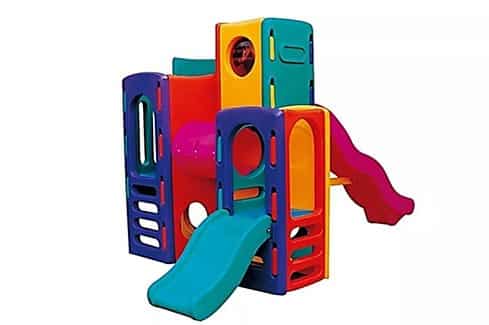
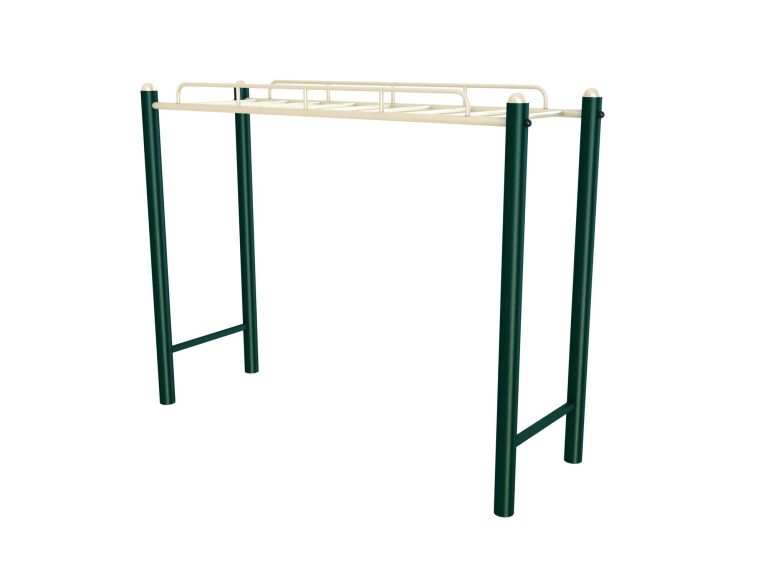
Choosing between an indoor jungle gym for toddlers and an outdoor unit usually comes down to five things: space, weather, flooring, cleaning and supervision. Indoors wins on all-weather use and a contained space that is simpler to watch. Outdoors wins on room to move, fresh air and fewer worries about ceilings and tiled floors.

This guide is for parents planning a playroom and for creche and daycare owners deciding where a toddler unit should go. It focuses on indoor and covered use. For outdoor buying in general, see our complete guide to buying a jungle gym in South Africa.
Wherever it goes, climbing, crawling and sliding help toddlers build balance, coordination and confidence. The aim is to place the unit where it gets used safely every day, not only on sunny afternoons.
Indoor jungle gym for toddlers vs outdoor: side by side
Use this table to see where each option is strong and where it needs more effort. A covered stoep or patio sits in the middle, so it gets its own column.
| Factor | Indoor room | Covered stoep or patio | Open garden or yard |
|---|---|---|---|
| Space | Limited by walls, furniture and ceiling | Limited by roof height and pillars | Most room for big units and fall zones |
| Weather | Usable in storms, cold and heat | Shade and light rain cover; wind and cold get in | Lost on stormy, wet or very hot days |
| Flooring | Tiles or screed need impact-absorbing mats | Mats must cope with damp | Rubber tiles, wet pour or artificial grass |
| Cleaning | Easy wipe-down; crumbs and dust collect | Leaves, dust and droppings to sweep | Mud, leaves and sun wear |
| Supervision | Contained space, simpler to watch | Good if visible from inside | Adult outside with a clear view |
Many creches end up using both: a small indoor corner for babies and rainy days, and a bigger outdoor unit for older toddlers. If you are planning the outdoor side too, our creche outdoor play area equipment checklist covers it.
Why South African homes and creches take toddler play indoors
Weather is the main reason. On the Highveld, summer thunderstorms and hail can cut outdoor play short on many afternoons, and winter mornings are often too cold for little ones until the sun has warmed things up.
In the Western Cape, winter rain can keep equipment wet for days. Across the country in summer, slides, platforms and especially metal parts in full sun can get hot enough to hurt small hands, so touch-test before toddlers climb.
Covered stoep or patio versus a fully indoor room
A covered stoep or patio is a popular middle ground. It gives shade and shelter from light rain while keeping the unit out of the lounge or classroom.
The trade-offs: wind blows rain in, floors stay cold and can get slippery, and leaves collect. Check that the roof clears the unit and that patio edges, steps and pool fencing sit well outside the fall zone.
A fully indoor room is the most dependable choice. The trade-off is floor space, plus a unit that sits close to furniture, windows and hard tiles.
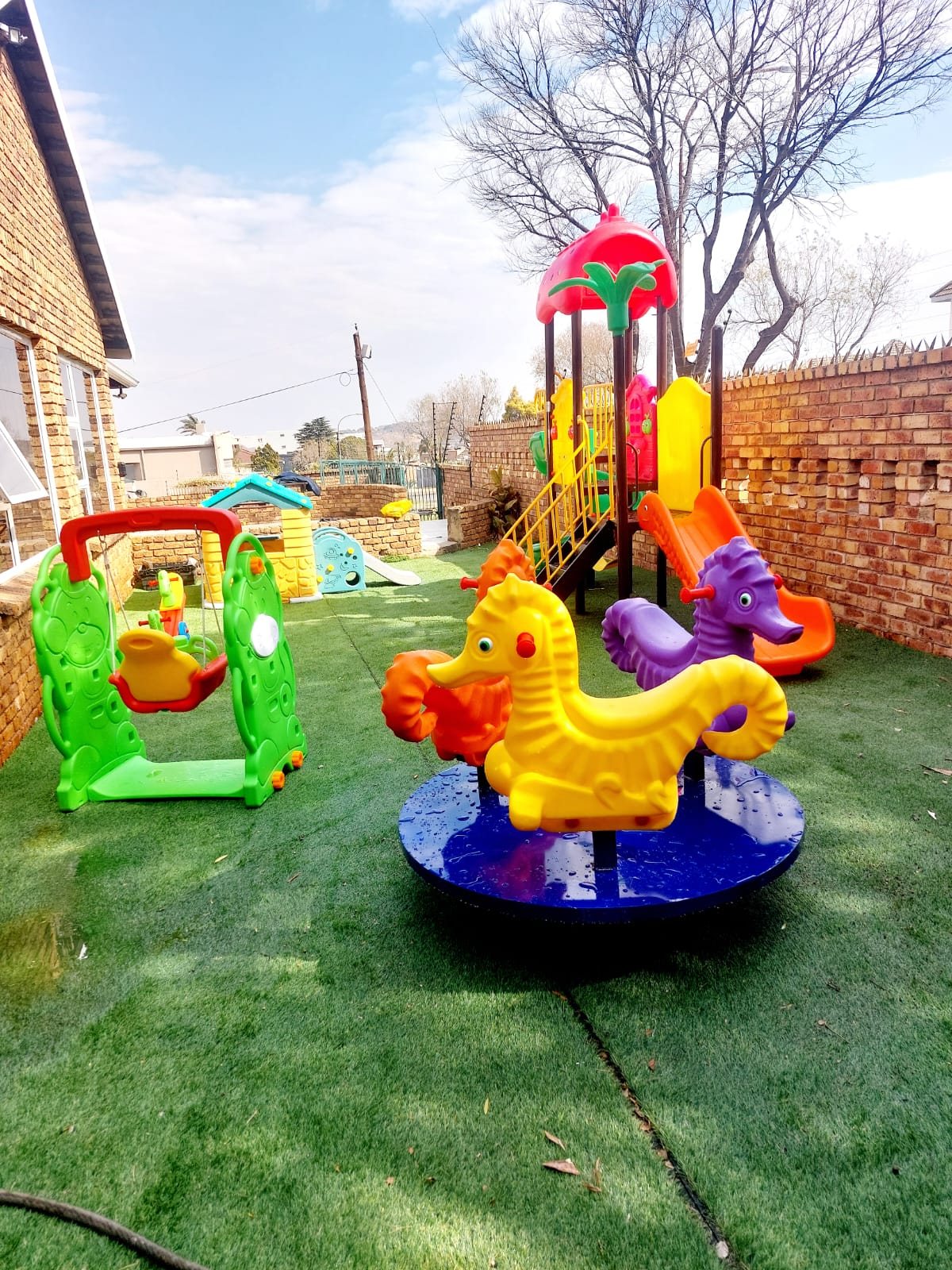
Space and ceiling height for an indoor toddler play area
Measure before you shortlist anything. Follow these steps for a playroom, creche room or clubhouse corner.
- Measure the floor wall to wall, then subtract fixed items such as built-in cupboards, heaters and doors that swing inwards.
- Ask the supplier for the unit’s footprint, its highest point and the clear space they recommend around it (the fall zone).
- Measure ceiling height at the lowest point, under beams, bulkheads, light fittings and ceiling fans.
- Allow for a toddler standing on the top platform and reaching up, and ask the supplier how much headroom they recommend.
- Mark the footprint and fall zone on the floor with masking tape and live with it for a few days.
- Check access: door widths, passages and stairs all need to let the parts in.
Keep the fall zone clear of windows, glass doors, shelves, heaters and curtain or blind cords. If you run a registered ECD centre, check the space requirements that apply to your registration before you commit.
Folding pieces for small spaces
In a flat or shared lounge, foldable climbers and a Pikler triangle that pack away against a wall make a lot of sense. In a daycare, though, folding and unfolding every day becomes a chore, and hinges and locks need regular checks.
Flooring under an indoor jungle gym
Most South African homes and creches have tiles, screed or sealed concrete. These floors are easy to clean but unforgiving, so impact-absorbing mats under and around the unit matter more indoors than many people expect.
- Cover the whole fall zone, not only the area directly under the unit.
- Interlocking mats should sit tight, with no lifting corners that trip toddlers.
- Choose a non-slip backing so mats do not creep on smooth tiles.
- Pick a wipeable surface without deep texture that traps food and dirt.
- Look for bevelled or ramped edges where children step on and off.
A rug or carpet is not a substitute for proper safety matting. The higher a child can climb, the more the surfacing has to absorb, as explained in critical fall height explained.
Ask your supplier whether the surfacing has been impact tested to SANS 51177 and request the report. Protect the floor itself with pads under the unit’s feet, and lift mats now and then to check for trapped moisture or grit.
Cleaning an indoor jungle gym in a creche or at home
Materials make the difference
Smooth plastic and intact vinyl covers on soft play are the easiest to wipe and sanitise. Raw or oiled wood absorbs spills and is harder to disinfect, while sealed wood is easier until the finish wears.
Any wood can splinter as it dries out or gets knocked, so run a hand over rails and steps weekly and sand rough spots. Ask the supplier whether finishes are non-toxic and which cleaning products are safe to use on them.
A simple daycare cleaning routine
- Daily: wipe handrails, steps, slide surfaces and anything toddlers mouth, then wipe or mop the mats.
- Weekly: lift interlocking mats, clean the seams and the floor underneath, look for split vinyl, loose fittings or a frame that wobbles, and tighten or report anything loose straight away.
- Monthly: deep clean soft play covers and toys.
- Outbreak time: during hand, foot and mouth, tummy bugs or flu, clean more often, take ball pit balls and fabric items out of use, and rotate in a clean set of washable toys.
Outdoors, rain does some rinsing for you. Mud, leaves, bird droppings and sun wear bring their own chores, so an outdoor unit is not maintenance free either.
Supervision, sight lines and separating age groups
Indoors, supervision is simpler because the space is contained, but the number of adults you need still depends on group size and ages, and on any requirements tied to your ECD registration. Place the unit where staff can see it from the nappy-change area, the door and the activity tables, and avoid blind spots behind playhouses or tunnels.
One child at home with a parent nearby is very different from a group of toddlers. In a creche, decide how many children may be on the unit at once and keep an adult close to the climbing parts.
Keep babies and crawlers apart from older preschoolers, who move faster and play rougher. A play fence, a separate baby corner or staggered play times all work.
Home pieces versus daycare equipment
Home climbers are often light, foldable and meant for one or two children. A daycare, playschool or Grade R classroom needs sturdier units with a stable frame that does not wobble, rounded edges and fixings that stand up to daily group use.
Clubhouses, hotel kids’ rooms and Grade R classrooms
Estate clubhouse playrooms are often used without staff. Body corporates and HOAs should choose simple, low equipment, put up signage saying parents must supervise, and agree who cleans and checks it.
Hotel and lodge kids’ rooms need a quick wipe-down between groups. In a Grade R classroom, a small motor-skills corner works well if it does not block walkways or exits; check placement with the principal, and the SGB if school policy requires it.
Pikler triangle, wall-mounted, soft play or full jungle gym?
- Pikler triangle: compact and foldable, a good fit for a home playroom and one child, but limited for a group.
- Wall-mounted Swedish ladder: saves floor space but needs a solid wall and proper fixings, so it suits few rentals or drywall rooms.
- Freestanding frame: can be moved or taken outside later, but must sit stable on mats and may need anchoring.
- Soft play: cushioned shapes for babies and crawlers, easy to clean while the vinyl stays intact.
- Jungle gym with slide: more climbing and sliding challenge for confident walkers, but needs the most space and matting.
Questions to ask your supplier
- Is this unit intended for indoor use, outdoor use or both?
- What is the recommended age, and how many children may use it at once?
- What are the footprint, the highest point and the recommended clear space around it?
- Does it need anchoring, and how is that done on tiles or screed?
- Are there test reports to SANS 51176 or EN 1176 that I can see?
- Are the finishes non-toxic, and which cleaning products are safe on them?
- Is surfacing included, and has it been impact tested to SANS 51177?
- Who assembles or installs it, and is that included in the quote?
How GreenAir can help
GreenAir is based in Johannesburg and supplies toddler play equipment, plastic jungle gyms, slides, swings, rockers, daycare furniture and playground safety flooring, including rubber tiles, rubber wet pour and artificial grass. We work with creches and daycares, schools, residential estates and body corporates, hotels and lodges, and private homes.
Browse our toddler jungle gyms and slides.
For an outdoor play area, see our outdoor jungle gyms for kids.
Products such as the Purple and Turquoise Jungle Gym With Hoop and Soccer Net, the FMJ043 Toddler House and the Ball Pit Playfence are examples to look at. Ask us for the recommended age and dimensions, and whether each one may be used indoors, before you choose.
We install anywhere in South Africa, including Johannesburg, Pretoria, Cape Town, Durban and regional areas. For Zimbabwe, Botswana, Zambia, Namibia and Tanzania we supply and deliver only, without installation.
We work on quotes, and every quote is free and itemised. That way you can see what drives the cost: unit size, flooring, site preparation and installation.
Related reading: Outdoor Play Equipment for Grade R: A Practical Setup Guide
Frequently asked questions
Will an indoor jungle gym damage my floors?
It can, which is why a good mat layer matters. Tiles can chip if a heavy frame shifts or something is dropped, and wood or laminate can scratch. Mats under and around the unit spread the load and cushion falls, but no padding removes every risk. Lift mats now and then to check for trapped moisture or grit, and ask your supplier how the unit should be protected or anchored on your floor type.
How much space does an indoor jungle gym need?
It depends on the unit. The supplier’s footprint, highest point and recommended clear space around it decide how much floor and headroom you need, so ask for those figures first. Then measure the room wall to wall, check ceiling height at the lowest point under beams and fans, and tape the footprint and fall zone on the floor. If the unit, mats and clear space do not fit, choose a smaller unit or a covered stoep.
What age can a toddler start using an indoor jungle gym?
Go by the recommended age the supplier gives for the specific unit, then by your child’s stage. Crawlers and new walkers usually do best with low, wide platforms and soft play, while confident walkers can try small slides and steps. Always confirm the recommended age before buying, and in a creche keep younger children on equipment meant for their stage rather than sharing with older preschoolers.
Is soft play better than a wooden or steel frame for a daycare?
Each has a place. Soft play suits babies and crawlers and wipes clean while the vinyl is intact, but split covers and seams need attention. Wooden frames need regular checks for splinters and worn finishes. Steel frames can feel cold on winter mornings and hot near sunny windows or doors, so check that tubes, joints and corners are padded or covered. Pair any frame with proper impact-absorbing mats.
Do wooden climbers get splinters?
Yes, any wood can splinter, especially as it dries out, gets knocked or the finish wears. Run a hand over rails, rungs and steps weekly, sand rough spots smooth and refinish worn areas with a product the supplier says is safe. Sealed wood is easier to keep smooth and clean than raw wood. In a busy creche, smooth plastic or vinyl-covered soft play may be less work to look after.
Planning a play area? Send us your site details and we will prepare a free, itemised quote.