Key Point Summary
- Outdoor playground maintenance requires daily visual inspections, weekly detailed equipment checks, monthly safety assessments, and annual professional evaluations.
- Essential tasks include cleaning surfaces, checking bolts and connections, inspecting safety surfacing, lubricating moving parts, and documenting all maintenance activities.
- Proper maintenance prevents accidents, extends equipment lifespan, and ensures compliance with South African safety standards.
Outdoor Playground Maintenance: Safety & Care Guide
Regular outdoor playground maintenance protects children’s safety while maximising your equipment investment. Whether you manage a school playground, municipal park, or residential complex, following proper maintenance protocols prevents accidents and costly repairs.
Neglected playground equipment poses serious safety risks. Worn components, loose bolts, and damaged surfaces can cause injuries that result in liability issues and expensive replacements.
Why Outdoor Playground Maintenance Matters
Proper maintenance directly impacts child safety. Regular inspections identify potential hazards before they cause injuries. Sharp edges, loose components, and structural weaknesses develop gradually but can cause serious harm if left unaddressed.
South African playgrounds must comply with SANS safety standards. Regular maintenance helps ensure ongoing compliance and reduces liability exposure for schools, municipalities, and property managers.
Quality playground equipment represents a significant investment. Preventive maintenance costs far less than emergency repairs or equipment replacement — it prevents rust and corrosion, maintains structural integrity, preserves safety surfacing, and reduces premature component replacement.
Daily Playground Maintenance
Before children use the playground each day, conduct a visual inspection. Look for broken or damaged components, sharp edges or protruding bolts, debris on equipment or surfacing, vandalism, and any animal droppings or nests.
Remove hazards immediately: clear debris from play surfaces, secure or remove loose components, block access to damaged equipment, and document issues for follow-up. Basic daily cleaning includes removing litter and organic debris, wiping down high-touch surfaces, clearing drainage areas, and checking bins.
Weekly Detailed Checks
Each week, inspect all structural elements — bolts, nuts, and connection points; welds and joints for cracks; posts and supports for stability; and handrails and guardrails for secure attachment.
For moving components, test swings, seesaws, and rotating equipment. Check chains and cables for wear, inspect bearings and pivot points, and lubricate as needed.
Verify adequate fall zones around equipment, check safety surfacing depth and coverage, inspect impact-absorbing materials for damage, and confirm proper drainage is functioning.
Document every weekly inspection with the date and time, conditions noted, tasks completed, issues requiring professional attention, and photographs of any problem areas.
Monthly Comprehensive Maintenance
Monthly inspections go deeper. Measure safety surfacing depth — a minimum of 300mm is required under equipment higher than 1.5m. Check for surface compaction or displacement, inspect drainage systems, and test impact absorption.
Tighten all accessible bolts and connections, replace worn or damaged hardware, and check torque specifications against manufacturer requirements. Inspect protective coatings, touch up minor scratches and chips, and check for rust or corrosion development.
Monthly reviews should also verify that equipment spacing meets safety standards, fall zones are clear and appropriate, age-appropriate signage is visible and accurate, and emergency contact information is current.
Seasonal Priorities
Hot South African summers require checking metal components for excessive heat buildup, inspecting shade structures, increasing cleaning frequency due to higher usage, and monitoring drainage after summer storms.
Going into winter, clear gutters and drainage systems, inspect for weather damage, check that moving parts operate smoothly in lower temperatures, and ensure adequate lighting for shorter daylight hours.
After severe weather, conduct an immediate inspection focused on wind and water damage, debris removal, and electrical system integrity where applicable.
Professional Maintenance Services
Qualified playground inspectors should conduct comprehensive annual assessments covering structural engineering evaluation, safety compliance verification, equipment lifecycle assessment, and maintenance planning recommendations.
Some tasks require professional expertise: welding and metalwork repairs, safety surfacing replacement, major component replacement, and electrical system maintenance. Professional services also provide detailed inspection reports, safety compliance certificates, and warranty and insurance documentation.
Creating Effective Maintenance Schedules
Organise tasks by priority. Daily, focus on hazard identification, cleaning, and access control. Weekly, carry out detailed equipment inspections and preventive maintenance. Monthly, conduct comprehensive assessments, compliance reviews, and future planning.
Ensure maintenance staff are trained in safety inspection techniques, equipment-specific procedures, documentation requirements, and emergency response protocols.
For budget planning, schools should allocate 10–15% of original equipment cost annually, covering regular supplies, professional inspections, emergency repair reserves, and equipment replacement planning.
South African Playground Safety Standards
South Africa follows international playground safety guidelines adapted for local conditions. The South African Bureau of Standards (SABS) provides SANS specifications for playground equipment covering design, installation, and maintenance.
UV exposure affects materials more intensely than in temperate climates. Metal components need regular inspection for heat-related expansion and contraction damage, while plastic components require UV-resistance checks and more frequent replacement cycles.
South African playgrounds commonly use engineered wood fibre, rubber matting, or sand as safety surfacing. Each material requires maintenance suited to local weather patterns and usage levels.
South African law places clear responsibility on playground operators to maintain safe conditions. Regular professional inspections and documented maintenance records provide essential liability protection. Local authorities may conduct safety inspections, and detailed records demonstrate due diligence.
Frequently Asked Questions
How often should outdoor playground equipment be inspected?
Outdoor playgrounds require daily visual inspections, weekly detailed checks, monthly comprehensive assessments, and annual professional evaluations.
What are the most common playground maintenance issues?
Loose bolts, worn safety surfacing, rust on metal components, damaged protective coatings, and inadequate fall zone maintenance.
How deep should safety surfacing be?
A minimum of 300mm deep under equipment higher than 1.5m, with deeper requirements for taller structures.
Who can conduct professional playground inspections?
Qualified inspectors with relevant certifications, typically certified by recognised playground safety organisations.
What records should be kept?
Detailed logs of all inspections, maintenance activities, repairs, safety incidents, and professional assessments — with dates, photos, and corrective actions.
What should be done if equipment fails a safety inspection?
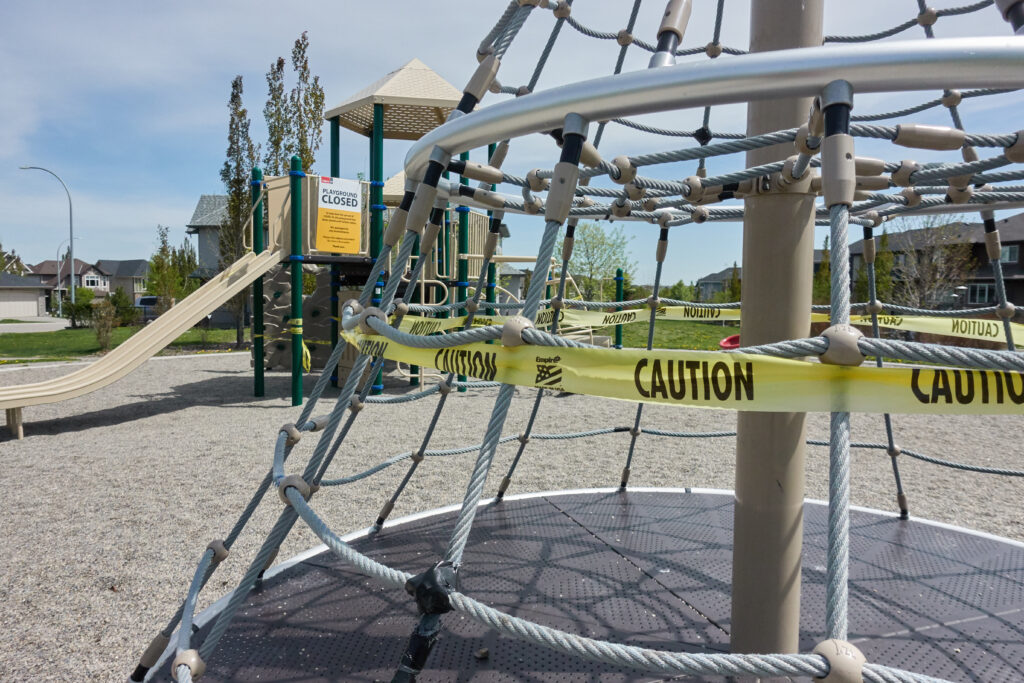
Close the area to users immediately, mark it clearly as out of order, and have it professionally repaired or replaced before reopening.
Conclusion
Effective outdoor playground maintenance protects children while preserving your equipment investment. Daily inspections, regular upkeep, and professional assessments create safe play environments that serve communities for years.
Maintenance requirements vary based on equipment type, usage levels, and environmental conditions. Develop a schedule tailored to your playground’s needs while ensuring compliance with South African safety standards. Consistent maintenance prevents small issues from becoming major problems — invest in proper care today to avoid costly repairs and safety incidents tomorrow.